education in russia
The following information will come in handy as you intend to set out on your excursion and get ready to take off. Moreover our student counselor will also assist you in the dress code, understanding the way of life, things to convey, place to get remote trade, get point on arrival at Moscow etc.
- The language
- About visa and immigration
- Foreign Exchange
- Tuition Fee and living expenses
- Medical Insurance
- Students Hostel
- Food
- Essential things to carry
- Food material
- Clothing
- Public Transport
- Access to the world and home
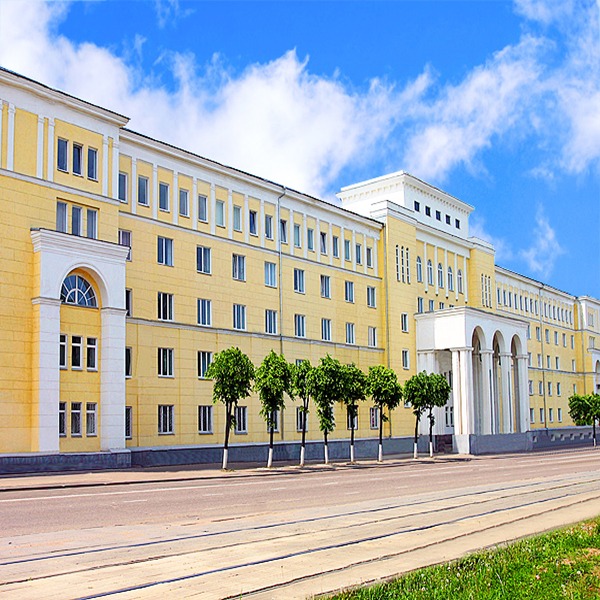
Essential Information In Russian University
Complete Guide for International Students Planning to Study in Russia
The Language
Russian is the official language of the country. While many universities offer English-medium programs, learning basic Russian helps students communicate, travel, shop, and interact confidently with local residents.
Visa and Immigration
Students must obtain a valid student visa before traveling to Russia. Universities provide invitation letters required for visa processing and registration after arrival.
Foreign Exchange
Students should carry sufficient funds for initial expenses. Currency exchange services are available at airports, banks, and authorized exchange centers across Russia.
Tuition Fees and Living Expenses
Russia offers quality education at affordable costs. Living expenses generally include accommodation, food, transportation, and daily necessities.
Medical Insurance
Medical insurance is mandatory for international students and provides access to healthcare services, emergency treatment, and consultations.
Student Hostels
University hostels provide furnished rooms, internet access, security, kitchens, study rooms, and laundry facilities for students.
Food and Dining
Students can enjoy vegetarian and non-vegetarian meals. Indian restaurants and grocery stores are available in major Russian cities.
Food Materials
Students may carry packaged spices, ready-to-eat meals, tea, coffee, snacks, and other permitted food items according to airline regulations.
Clothing
Russia experiences cold winters, so students should bring jackets, sweaters, thermal wear, gloves, scarves, and winter shoes.
Public Transport
Russia has an efficient transportation network including metro, buses, trams, and taxis. Student travel passes are available in many cities.
Access to the World and Home
Students can stay connected through Wi-Fi, mobile networks, video calls, and social media. Most university hostels provide internet access for international students.